AI in Education Part 2
As we continue our conversations about AI use in education, I am beginning to clarify my position. At this point, I do not think it is beneficial for young children to have access to generative AI, especially within schools. While I can see its value as a tool for teachers—such as modifying articles to different reading levels, generating material lists that align with students’ interests, or supporting certain aspects of lesson planning (though not replacing it entirely)—I am more hesitant about its use by students themselves.
What I would like to see in education is a more intentional approach. Once students reach middle elementary, we could begin explicitly teaching them about technology and AI in age-appropriate ways. Helping them understand how AI works, what it is (and what it is not), and that they are not interacting with a human could foster more critical and informed use. This knowledge may also provide some protection, especially given documented cases of AI producing harmful responses, such as encouraging self-harm or generating explicit content. Resources like Code.org’s “How Artificial Intelligence Works” curriculum offer accessible ways to teach the mechanisms by which AI works: https://code.org/en-US/curriculum/how-artificial-intelligence-works
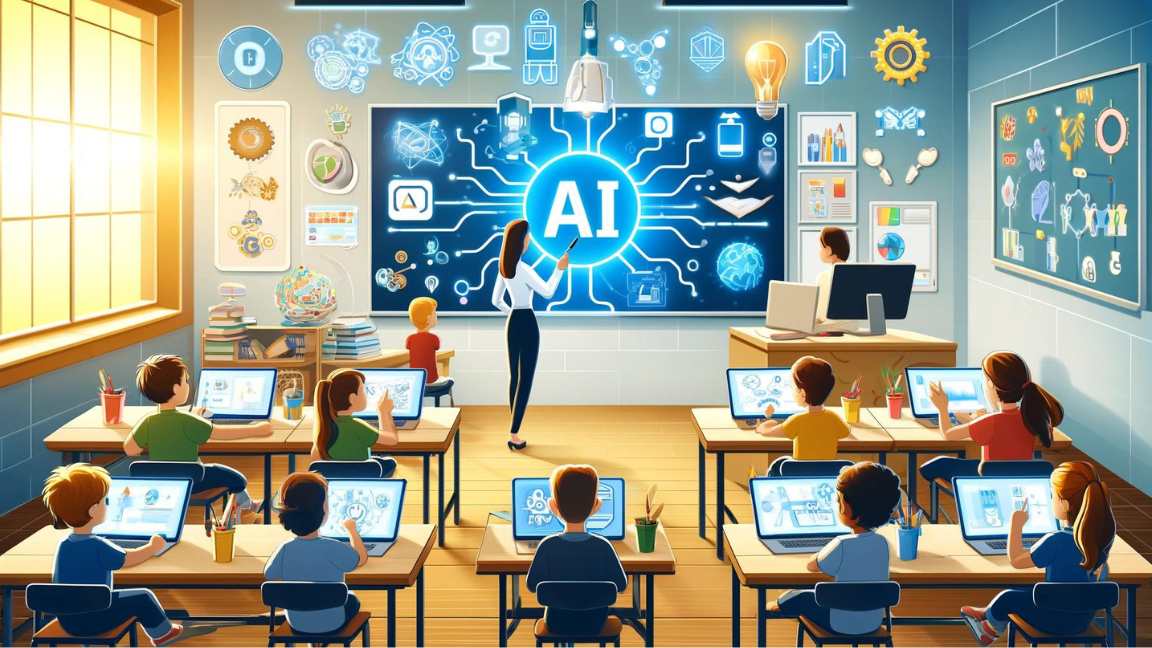
I also worry that we do students a disservice when we allow them to rely on generative AI before they have had sufficient time to develop the skills they are meant to be practicing. For example, concerns have been raised about students losing opportunities to cultivate a unique writing voice when they depend on AI to polish or generate their work. The article “AI Ghostwriting and the Shrinking of Student Voice in Our Pockets” https://blogs.ubc.ca/etec523/2025/09/22/ai-ghostwriting-and-the-shrinking-of-student-voice-in-our-pockets/ highlights this tension, suggesting that ease and efficiency may come at the cost of authenticity and growth.
I don’t fully reject AI but I do reject the use of AI in schools in ways that take learning opportunities away from students