Discovering Minecraft as a Learning Tool
It turns out that I really enjoy Minecraft. I had never played before, but after Kara’s presentation on Minecraft: Education Edition, I got curious and decided to give it a try. I explored the lesson library and was amazed by what teachers and students can do with it. The lessons are creative and open-ended, covering topics like environmental science, history, and digital citizenship. Right away, I saw how it could get students excited about learning while giving them the freedom to explore and try new things. Some lessons, like the math lessons on area and volume, translate so well into the digital world.
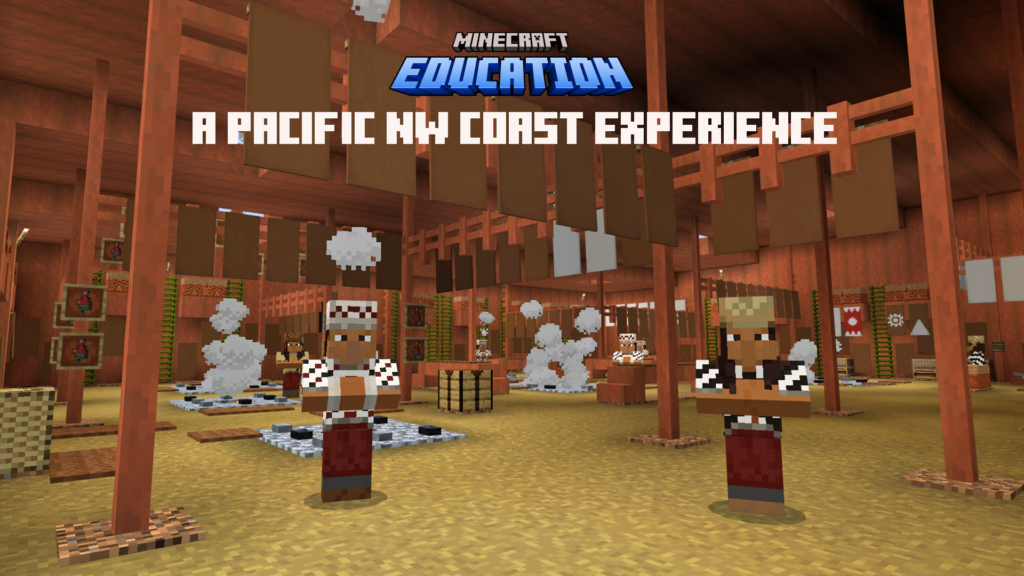
What stood out most to me is how easily collaboration happens in the game. After the presentation and looking through lesson ideas, I decided to try playing at home. My husband and I started a world together, taking turns with the controller and building things as a team. Even in that short time, I noticed how the game encourages creativity and problem-solving. There are so many options that it feels almost endless. We’re building our dream house together and it is so much fun!
Trying it myself also helped me see the educational potential more clearly. Games like Minecraft create a learning environment where students are always experimenting, testing ideas, making mistakes, and trying again. In many ways, this is similar to the inquiry-based learning we want in classrooms. Instead of just listening, students are actively working with the material.
I’ve been thinking about how gamification and game-based learning fit into education. These methods are becoming more popular, and I understand why. Games give immediate feedback, clear goals, and a sense of progress that can really motivate students. When used well, they can help students get involved, especially those who have trouble connecting with traditional lessons.
At the same time, I think it’s important to balance game-based learning with other teaching methods. Not every lesson should be a game, and students still need chances to build motivation that isn’t just about rewards or fun. Still, as one option among many, games can be very powerful. For students who are not interested or unsure about a subject, something like Minecraft could help them see learning in a new way.
This experience reminded me that teachers sometimes need to try things themselves to really see their value. I’m so glad we got to learn about this, and I’m so excited to keep exploring the world of Minecraft!